
Content Discovery Exploration
Ridestore | e-commerce | CX-informed UX exploration
Context
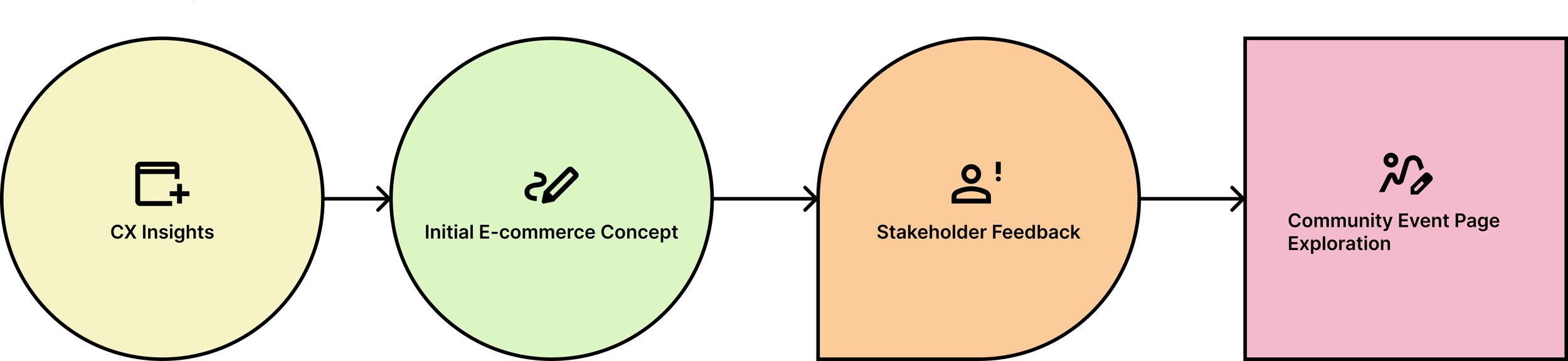
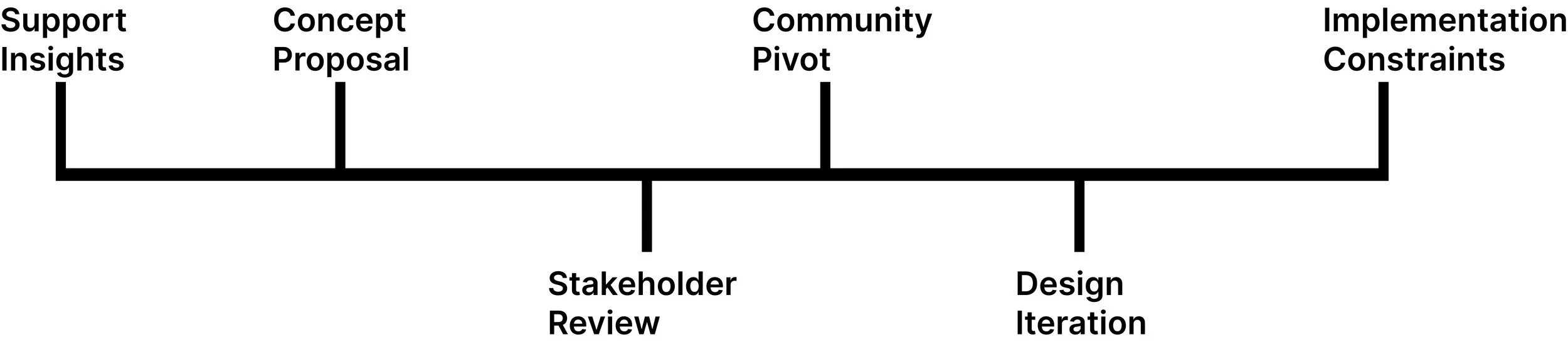
At Ridestore, I explored opportunities to improve content discoverability across both the eCommerce experience and the community/events platform.
The exploration began with an initiative focused on surfacing high-value informational content within the eCommerce experience and later evolved into a community-focused concept shaped by stakeholder feedback and technical constraints.
The work emerged from recurring customer support interactions and internal discussions around how users access informational and event-related content within the product ecosystem.
The focus was on improving how users find and engage with valuable content while working within real-world constraints such as CMS limitations, stakeholder priorities, and development resources.
Observation
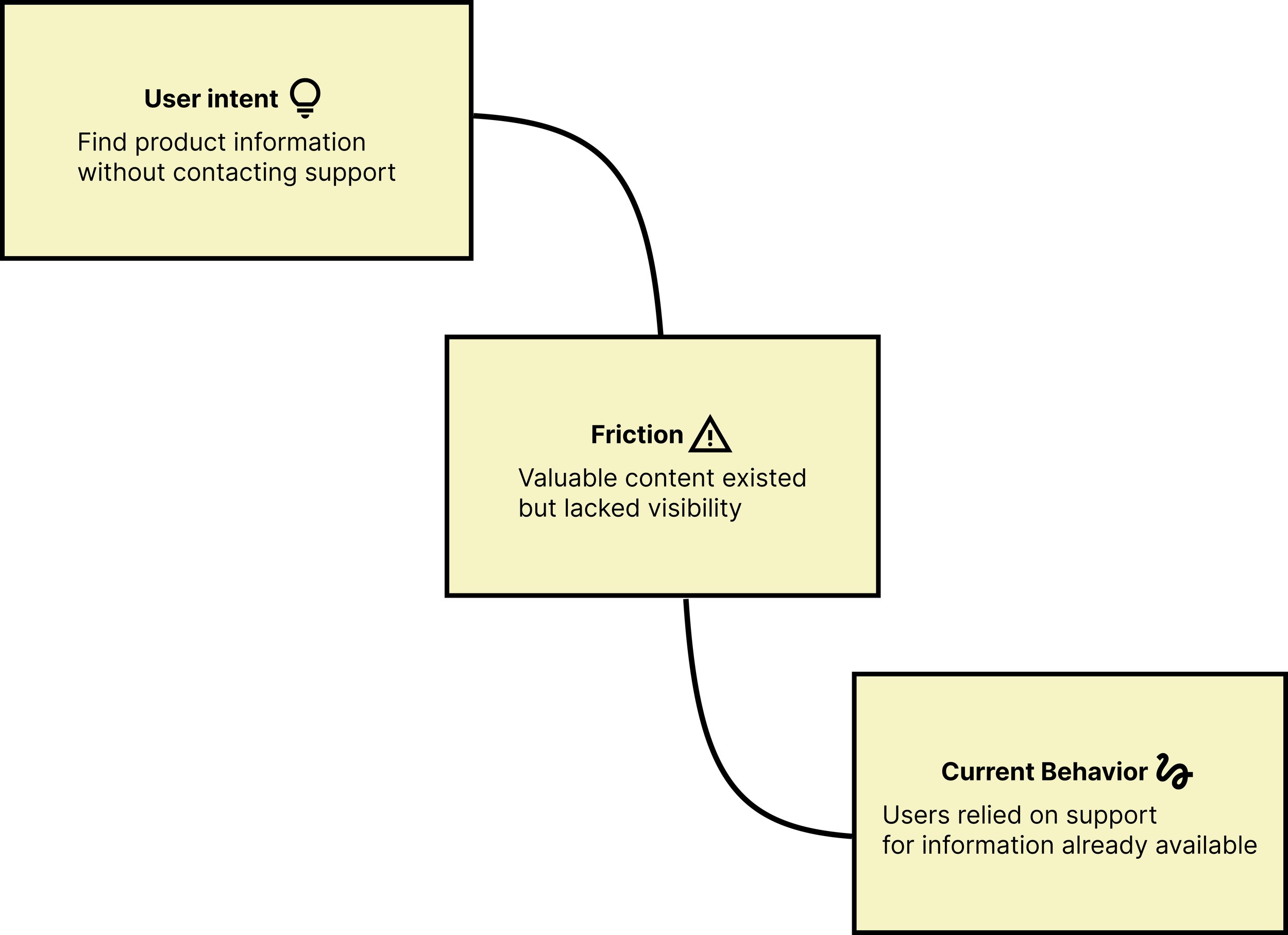
Across both contexts, a recurring pattern emerged: Users were frequently relying on support channels or indirect navigation to access information that already existed within the system but was not easily discoverable.
In eCommerce
Product education was not easily surfaced
Gear care and sustainability content was underused
FAQs required navigation effort
In Community Events
Events were displayed in static card layouts
Browsing multiple events was inefficient, especially on mobile
Content visibility decreased as volume increased
This created friction in two ways:
Users could not efficiently self-serve information
Support systems handled repetitive queries that could be avoided
Insight
Users do not struggle because information is missing, but because it is not surfaced at the right moment in their journey.
This shifted the focus from content creation to content discoverability and system-level UX structure.
The opportunity
To improve the experience by introducing structured content discovery layers within existing interfaces.
The goals were to:
Reduce friction in finding relevant information
Improve self-service across both platforms
Reduce repetitive support interactions
Increase engagement with brand and community content
Solution Exploration
Concept 1 ☞ eCommerce Content Discovery Module
I proposed a modular content discovery system designed to surface high-value informational content within the eCommerce experience.
This included:
Product education
Gear care guidance
Sustainability information
FAQs
The objective was to reduce customer friction by improving self-service access to information and decreasing repetitive support inquiries.
Outcome
The concept was reviewed positively at ideation stage but was not adopted for implementation on the main eCommerce website due to stakeholder priorities around maintaining existing page structure.
Following this exploration, AI-powered chatbot-based support solution was later introduced to provide faster access to information through conversational assistance. This reduced the immediate need for a persistent UI pattern, while still highlighting opportunities for more proactive content discovery.
Concept 2 ☞ Community Events Page -Pivot-
Following internal feedback from a community stakeholder, the concept was adapted for the community/events section of the platform.
The existing events page used static card-based layouts, limiting:
browsing efficiency across devices
visibility of multiple events
ease of scanning information
A carousel-based layout was explored to improve:
multi-event visibility
responsiveness across devices
scanning and engagement
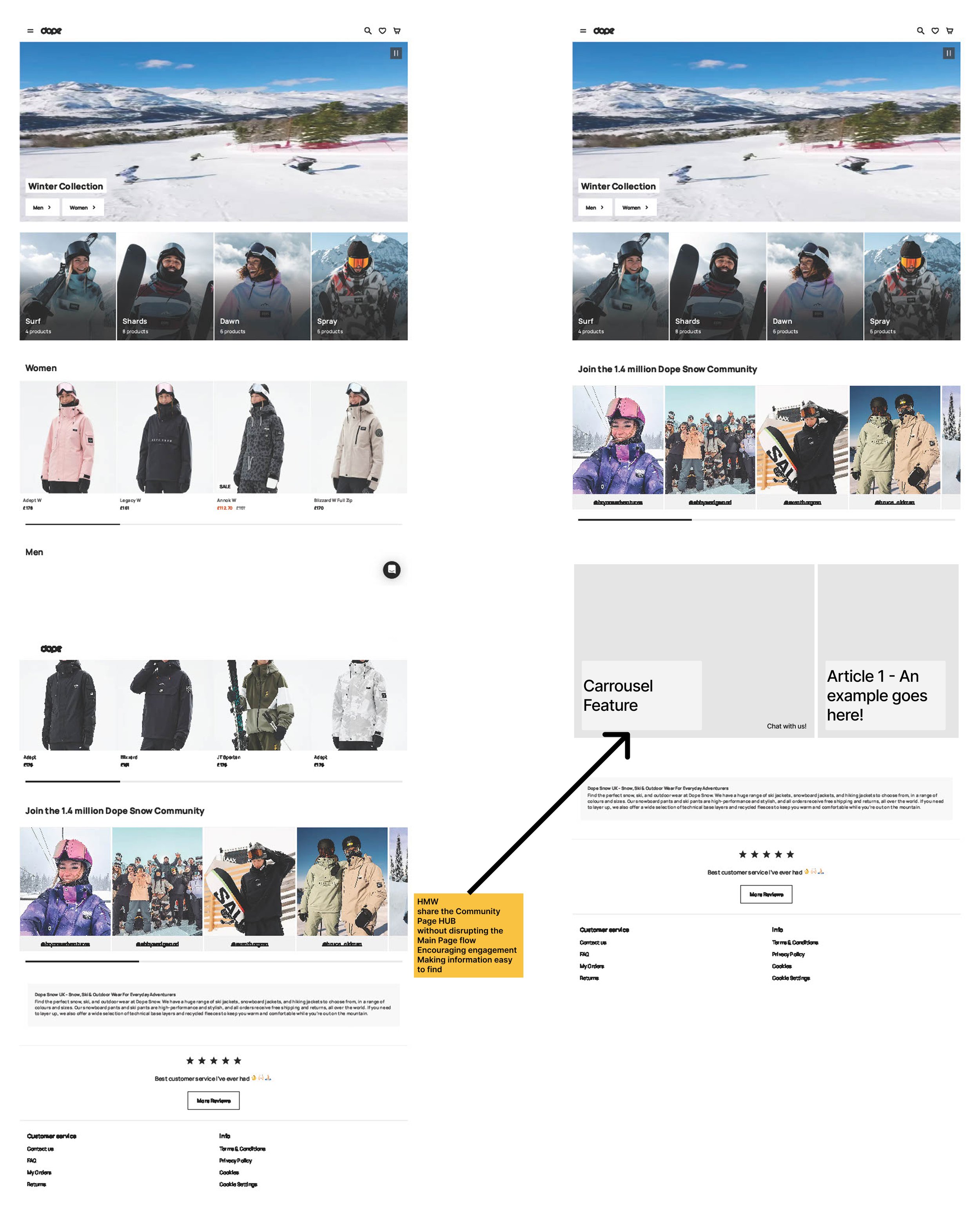
Existing Community Experience (Current State)
The existing structure limits flexible content discovery and interaction patterns.
Exploratory Concept – Enhanced Content Discovery Flow
A proposed exploration introducing improved content navigation and discovery patterns.
Outcome (Concept 2)
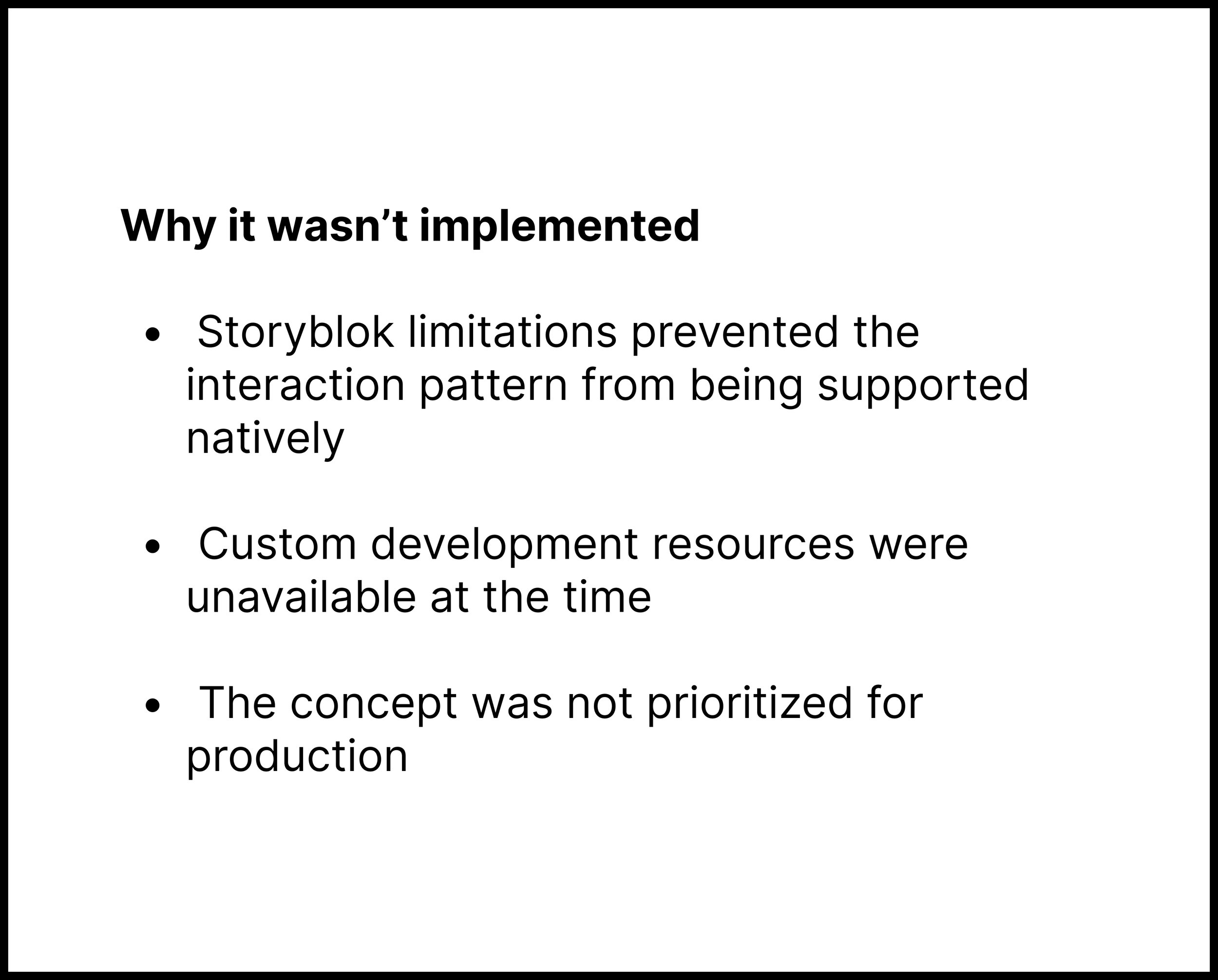
The concept was validated during exploration but not implemented due to CMS limitations (Storyblok) and lack of available development resources to extend functionality. As a result, the design remained at the exploration and prototyping stage.
Key Learnings
UX opportunities often emerge from CX patterns and real user friction
Information architecture is as critical as visual design in improving user experience
Effective UX design must balance user needs with technical and business constraints
CMS architecture can significantly define interaction possibilities
Not all strong UX concepts are implementable, but they can still influence product direction
Reactive solutions (chatbot) and proactive solutions (content discovery) can address different layers of the same user need
This work reflects UX thinking grounded in real operational constraints, combining customer insights, system limitations, and cross-functional collaboration to explore feasible product improvements within production environments.